As fans of the Devil May Cry franchise eagerly awaited the second season of Netflix’s animated adaptation, there was a palpable sense of cautious optimism in the air. After the surprising success of the first season, which breathed new life into the series, expectations were high. But could it really redeem the infamous low point in the game franchise, commonly referred to as the worst installment?
For many, Devil May Cry 2 holds the unfortunate title of being the black sheep of the family. Released in 2003, it was met with lukewarm reviews and disappointment from fans who had fallen in love with the original’s high-octane action and engaging story. The character of Dante, while still iconic, seemed to lose some of his charm, and the gameplay felt more like a chore than a thrilling experience. However, as we dive into Season 2, Netflix has cleverly chosen to take the foundations laid by the games and craft a narrative that not only captivates but also redeems.
One of the standout elements of the first season was its ability to blend action and story seamlessly. Netflix successfully captured the essence of the game’s fast-paced combat while infusing the narrative with depth, humor, and relatable character development. With Season 2, it seems the creators have been using the lessons learned from both the highs and lows of the game series to elevate the anime to new heights.
In Season 2, we see our beloved characters return with a fresh perspective. The storyline builds upon the foundations of the first season while addressing some of the criticisms that have plagued the franchise for years. The scriptwriters have managed to weave a tale that pays homage to what went wrong in Devil May Cry 2 while simultaneously providing a thrilling redemption arc.
One of the most notable improvements in Season 2 is the characterization of Dante. The writers skillfully blend his brash, cocky persona with a more nuanced exploration of his motivations and struggles. This creates a more rounded character that resonates with both long-term fans and newcomers alike. The dynamic between Dante and his allies, including the fiery Lady and the ever-loyal Trish, has been deepened, with the writers taking the opportunity to explore their relationships in a more meaningful way.
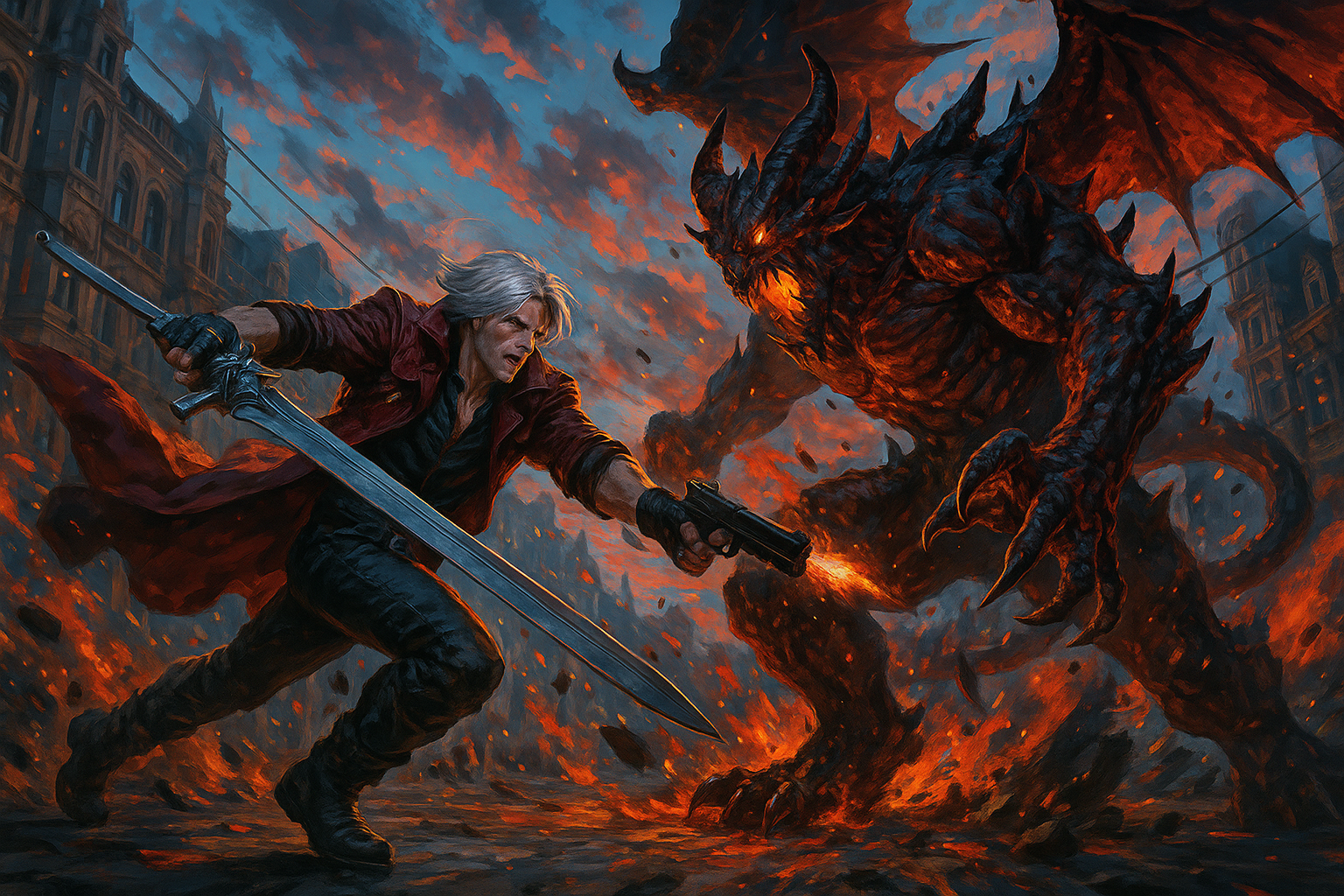
Moreover, the action sequences in this season are nothing short of breathtaking. The animation quality has seen a significant upgrade, cranking up the intensity and bringing the iconic combat mechanics of the games to life in a way that feels satisfying and exhilarating. Each fight is choreographed with precision, and you can see the attention to detail in the fluid movements and stunning visuals. This is particularly important since Devil May Cry is known for its stylish combat, and the anime adapts this aesthetic beautifully.
Additionally, the soundtrack plays a crucial role in enhancing the overall experience. Season 2 boasts a killer lineup of tracks that not only pumps up the adrenaline during battle sequences but also complements the emotional beats throughout the story. The incorporation of music that echoes the original games while introducing new themes gives a sense of nostalgia without feeling stale.
One of the most rewarding aspects of this new season is how it addresses the flaws of Devil May Cry 2 head-on. By acknowledging the mistakes of the past, the series creates an opportunity to showcase growth—not just in the characters but in the storytelling itself. Fans have long desired a deeper exploration of the demon world and the consequences of the battles that rage within it, and Season 2 takes those narratives and runs with them.
The pacing also receives a significant boost this season. Where the second game often dragged with its uninspired level design and lackluster plot, the anime ensures that each episode feels like a thrilling ride. The episodes are packed with action and drama, keeping viewers on the edge of their seats and eager for the next chapter in this evolving saga.
As we analyze the implications of Season 2’s successes, it’s essential to highlight the larger context within which it operates. The anime not only serves as a platform for the characters and stories we love but also demonstrates how adaptations can learn from the past. This is particularly crucial for video game adaptations, which have often struggled to find their footing in film and television. Netflix has shown us that with thoughtful writing and a deep understanding of the source material, it is possible to create something that resonates with fans while also pushing the narrative forward.
In conclusion, Season 2 of Netflix’s Devil May Cry not only redeems the legacy of the worst game in the series but also sets a new standard for what video game adaptations can achieve. It strikes a balance between thrilling action and meaningful storytelling, and its ability to resurrect characters and narratives that have been overlooked is nothing short of impressive. Fans can breathe a sigh of relief; this season proves that even the worst can be redeemed with the right vision. So grab your swords, put on your headphones, and prepare for an exhilarating ride through the world of Devil May Cry!