The AAA video game industry has seen its fair share of ups and downs, but as Mark Darrah, a former veteran developer from BioWare, recently pointed out, a strategic approach to product placement could be a game-changer. In a world where gaming budgets are skyrocketing and development timelines are stretched thin, finding innovative revenue streams is more crucial than ever.
Darrah’s insights highlight the challenges facing AAA developers today. With the increasing cost of game development, which can reach hundreds of millions of dollars, studios are feeling the pressure to not only produce high-quality content but also ensure that it’s financially viable. The reliance on traditional sales models and microtransactions has become a double-edged sword, potentially alienating players while failing to guarantee profitability.
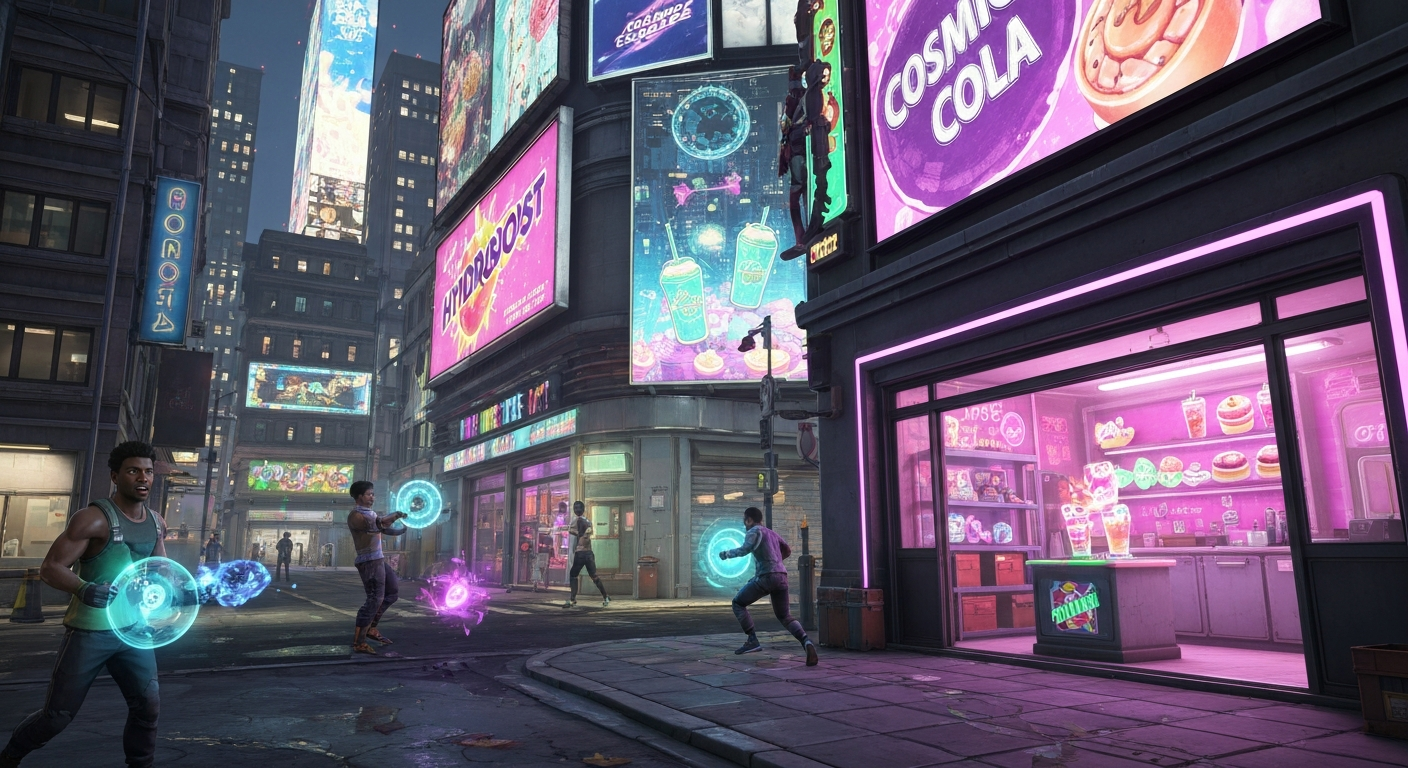
Product placement, a tactic long used in movies and TV shows, could offer an intriguing solution. By integrating real-world brands into gameplay and storytelling, developers could create new avenues for monetization without compromising the player’s experience. Imagine cruising through a futuristic city in a racing game while spotting billboards of real brands or discovering a trendy cafe in an open-world RPG that serves products from actual companies. It’s a concept that goes beyond mere advertising—it’s about creating a believable world that resonates with players.
One of the key advantages of product placement is its ability to enhance realism. Players often seek immersion, and including familiar brands can make virtual worlds feel more alive. This integration allows for a seamless blend of commerce and creativity, enriching the narrative without overwhelming players with intrusive ads. For example, instead of a generic weapon in a shooter, players might wield a branded item that has been cleverly woven into the story, thus adding a layer of authenticity.
Furthermore, product placement isn’t just beneficial for developers; it can also be a win-win for brands. By partnering with video game studios, companies gain access to a massive, engaged audience. Gamers are known for their loyalty to the titles they love, and associating with popular franchises can significantly enhance brand visibility. Players who identify with a game’s characters might be more inclined to purchase the branded items they see in-game, thereby creating a new form of cross-promotion.
However, successful product placement requires careful execution. Developers must strike a balance between authenticity and overt commercialization. If players feel that a game is just a vehicle for ads, they may feel disconnected and frustrated. The key lies in making product placements organic and relevant to the game’s context. For instance, if a character is using a specific smartphone, it should feel natural within the story and not forced, helping to foster a sense of realism that players appreciate.
Another potential avenue for product placement is through in-game events, where brands can sponsor limited-time events or challenges that are tied to their products. This strategy not only enhances the gameplay experience but also encourages community engagement. For instance, a racing game might have an event sponsored by a car manufacturer, offering players exclusive vehicle skins or in-game rewards for participating, thus creating buzz and excitement around both the game and the brand.
Darrah’s vision also leans into the evolving landscape of gaming. As more players turn to streaming platforms and social media to share their gaming experiences, product placement can extend beyond the game itself. Sponsored streams and social media integrations can amplify brand presence, making it a multifaceted approach that benefits all parties involved.
Nevertheless, the industry must tread carefully. As product placement becomes more prevalent, developers must ensure that they remain true to their creative vision and prioritize immersive storytelling. If done right, product placement can help bridge the gap between creating compelling gameplay and ensuring financial sustainability.
Looking forward, the AAA industry is at a crossroads. Embracing innovative ideas like product placement could be the key to revitalizing the genre. By fostering collaborations with brands that resonate with their audiences, developers can create immersive experiences that not only entertain but also pave the way for a more sustainable future for AAA games. As we move further into the next generation of gaming, it will be fascinating to see how these strategies unfold and what impact they will have on the games we love.